
Why “I Feel Fine” Can Cost You After a Car Accident
After a car accident, many people instinctively say, “I feel fine.” They say it to police officers, insurance adjusters, medical providers, family members, and even themselves. Sometimes it is optimism. Sometimes it is adrenaline. Sometimes it is a desire to avoid making a big deal out of the situation.
Unfortunately, that simple phrase can quietly undermine an otherwise legitimate claim. Insurance companies place enormous weight on early statements and early records, often more weight than on what develops weeks or months later. If you were injured in a collision and are unsure whether it makes sense to speak with a car accident lawyer or a personal injury lawyer, this is one of the most important dynamics to understand.

Why People Say “I Feel Fine” After a Crash
In the moments and hours after a crash, your body and brain are not operating normally. Adrenaline, shock, and stress can mask pain and stiffness. It is extremely common for symptoms to appear later, especially with:
- Neck and back injuries
- Soft tissue and muscle strain
- Shoulder and knee injuries
- Headaches or concussion related symptoms
Many people also downplay symptoms because they do not want to appear dramatic, cause delays, or invite complications. From a human perspective, that reaction makes sense. From an insurance perspective, it creates a record problem.

How Insurers Use Early Statements
Insurance companies treat early statements as a baseline truth. If the file shows that you said you felt fine, they will anchor to that point and view everything that comes later through that lens.
Common arguments insurers make include:
- The injury must have occurred after the accident
- The symptoms are exaggerated or unrelated
- The condition is the result of normal aging or prior issues
- The injury resolved quickly and did not justify extended care
Once that narrative is set, it becomes difficult to undo without careful documentation and explanation. The insurer may not accuse you of dishonesty, but they will question credibility and causation.
Delayed Symptoms Are Normal — But Poorly Understood
Many auto accident injuries evolve over time. Stiffness turns into limited range of motion. Minor soreness becomes persistent pain. What felt manageable in the first day becomes disruptive after a week of normal activity.
The problem is not delayed symptoms. The problem is that early records often fail to explain them.
If initial documentation simply states “no pain” or “patient feels fine,” later medical records may appear inconsistent, even though the progression is medically reasonable. Insurers rely on that gap to reduce value.
Why Early Documentation Matters More Than Early Diagnosis
People often believe that what matters most is getting a diagnosis immediately. In many cases, what matters more is accurately documenting:
- Where discomfort exists, even if it seems mild
- What movements cause pain or stiffness
- How symptoms change over the first few days
- Any impact on sleep, work, or daily activities
You do not need to predict the future or exaggerate symptoms. You simply need records that reflect reality as it unfolds. That documentation is what prevents an insurer from freezing the claim at “felt fine at the scene.”
How “Feeling Fine” Leads to Undervaluation
Once an insurer decides an injury was minimal early on, several things tend to happen:
- Settlement offers come quickly and at low numbers
- Future care is treated as unnecessary or excessive
- Lost income claims are challenged more aggressively
- Ongoing symptoms are dismissed as unrelated
This is not because the insurer believes you are dishonest. It is because early language gives them leverage. Without pushback, that leverage defines the claim.

Attorney Perspective
“We regularly see cases where someone said they felt fine at the scene, then developed real limitations days later. The injury is legitimate, but the early record creates an uphill battle. Our job becomes making sure the documentation explains the progression clearly, so the claim reflects reality instead of a single moment in time.”
— John T. Briggs, Managing Attorney, Kellum Law Firm
If You Already Said It, You Are Not Ruined
Many people worry that once they said “I feel fine,” their claim is over. That is not true.
What matters next is:
- Getting appropriate medical evaluation
- Ensuring providers document symptom onset and progression
- Avoiding casual statements that contradict medical reality
- Understanding how insurers are likely to frame the file
A
When It Makes Sense to Get Guidance
If your symptoms appeared after the crash, worsened over time, or are interfering with work or daily life, it is reasonable to slow down before accepting any settlement. That is especially true if an insurer is already suggesting that your injuries were minor or short lived.
Feeling fine in the moment does not mean you were not injured. Understanding that distinction early can prevent long term consequences later.
Talk to Kellum Law Firm
If you are unsure where your situation stands, a conversation with one of our experienced car accident attorneys now may save you from regret later. We’re here to help and the initial consultation won’t cost you a dime. Nor will there be any pressure to retain our services after your free consultation. Just call us any time day or night on 1-800-ACCIDENT, or use the form on this page to request a case review.
“We’re With You All The Way”


Receive A Free Case Evaluation – No Obligation
Personal Injury Law Guide
If you're exploring your legal options after a personal injury, the following links offer helpful next steps—from local office pages to our detailed personal injury guide.
Personal Injury Locations
Personal Injury Guide
These resources are provided as general information and are not a replacement for professional legal advice. If you need help with a claim, please contact Kellum Law Firm for assistance.
Auto Accident Law Guide
After a car accident, having easy access to the right legal resources can make all the difference. The links below focus on local car accident help and detailed guides to navigating claims.
▶ Car Accident Locations
General Guides and Resources
Bookmark this page or check back often as we expand our car accident resources across North Carolina.
Pushing back against lowball offers
If an insurance company comes in with a quick, low settlement offer, it is often an attempt to close the claim before the full impact of the injury is documented. You are allowed to push back, ask for the basis of the offer, and insist that the evaluation reflect your medical records, ongoing symptoms, and any future care your providers anticipate.
If you believe an insurer is engaging in poor claim handling practices, unreasonable delays, or unfair settlement tactics, North Carolina consumers can seek help through the state’s insurance consumer assistance resources, which function as an ombuds style safeguard. You can request assistance or file a formal complaint with the North Carolina Department of Insurance Consumer Services Division.
More Personal Injury Resources From Kellum Law Firm

Dog Bite Lawsuits in North Carolina: Owner Liability & Victims’ Rights
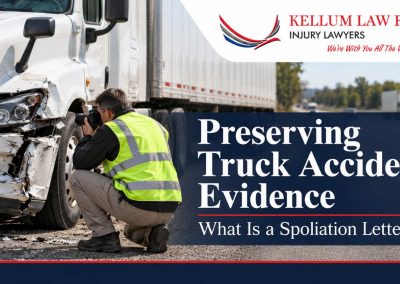
Preserving Evidence After a North Carolina Truck Accident: What Is a Spoliation Letter?

Work-Related Car Accidents in North Carolina | Your Rights

The At-Fault Driver Was Not Ticketed, How Does That Impact My North Carolina Car Accident Injury Claim?
Featured And Recognized


RALEIGH | NEW BERN | WILMINGTON | JACKSONVILLE | MOREHEAD CITY | GREENVILLE | GOLDSBORO | WILLIAMSTON | ROCKY MOUNT | ROANOKE RAPIDS | DURHAM | FAYETTEVILLE | CHARLOTTE
Kellum Law Firm's corporate headquarters is located in New Bern, NC and has offices around North Carolina, including Raleigh, Greenville, Jacksonville, Wilmington, and more. We provide local residents with legal services focusing on personal injury law including automobile accidents, social security disability, workers' compensation, elder abuse, and more.