
Truck Accidents Caused by Driver Fatigue
Truck accidents caused by driver fatigue remain one of the most serious and least visible dangers on North Carolina roads and highways. When a commercial truck driver is overtired, reaction time slows, judgment is impaired, and the risk of catastrophic error increases dramatically. Because of the size and weight of tractor trailers, even a momentary lapse in attention can result in devastating injuries or fatalities for occupants of smaller vehicles.
At Kellum Law Firm, we routinely see the aftermath of fatigue-related truck accidents. These cases are rarely simple. They often involve interstate trucking companies, complex federal regulations, and aggressive insurance defenses aimed at shifting blame away from the carrier and onto the injured party. Understanding how driver fatigue leads to truck crashes, and how the law addresses it, is critical for anyone injured in this type of accident. Scroll down to read more and to take action.

Why Driver Fatigue Is So Dangerous in Trucking
Fatigue affects the brain in ways that closely resemble alcohol impairment. An overtired driver may experience delayed reaction times, reduced awareness of surroundings, poor decision-making, and even brief episodes of “microsleep” where the brain shuts down for a few seconds. At highway speeds, those seconds can be the difference between a near miss and a fatal collision.
Commercial truck drivers often operate under tight delivery schedules, long routes, and pressure from dispatchers or contractors. While many drivers act responsibly, fatigue becomes a serious hazard when rest periods are shortened, driving limits are exceeded, or logs are manipulated to appear compliant. These risks are amplified during overnight driving, long-haul routes, and cross-state trips where drivers may feel compelled to push through exhaustion.

Hours-of-Service Rules and Federal Safety Regulations
To address fatigue, federal law imposes strict Hours-of-Service regulations on commercial truck drivers. These rules limit how long a driver may operate a vehicle before taking mandatory rest breaks. They are enforced through electronic logging devices, commonly known as ELDs, which track driving time, rest periods, and vehicle movement.
When a fatigued driver causes an accident, one of the first issues investigated is whether Hours-of-Service violations occurred. Exceeding driving limits, failing to take required breaks, or falsifying logs can establish negligence and expose not only the driver but also the trucking company to liability. In many cases, fatigue is not an isolated driver issue, but a systemic problem tied to company policies and delivery expectations.
How Fatigue-Related Truck Accidents Happen
Truck accidents caused by fatigue take many forms. Some involve a driver drifting out of their lane, rear-ending stopped traffic, or failing to react to changing road conditions. Others occur when a fatigued driver misjudges stopping distance, makes an unsafe lane change, or fails to notice slowed or stopped vehicles ahead.
Because fatigue does not leave obvious physical evidence like skid marks or vehicle damage patterns, insurers often attempt to downplay its role. This makes early investigation especially important. Electronic logs, onboard data, cell phone records, dispatch communications, and maintenance records can all provide insight into whether fatigue played a role in the crash.

Cross-State Trucking and Complex Liability Issues
Many fatigue-related truck accidents involve interstate travel. A single crash in North Carolina may involve a driver licensed in one state, a trucking company headquartered in another, and a freight broker or contractor operating elsewhere. Determining who is legally responsible requires a detailed understanding of federal trucking regulations and how they intersect with state injury law.
Trucking companies often argue that the driver was an independent contractor or that responsibility lies with another entity in the logistics chain. In fatigue cases, liability may extend beyond the driver to include the carrier, fleet operator, or even a shipper that imposed unrealistic delivery schedules. These disputes are complex and heavily litigated, which is why these cases should never be treated like routine car accident claims.
Case Study: Fatigued Driver Causes a Serious Truck Collision
In one case handled by Kellum Law Firm, our legal team represented an individual seriously injured when a tractor trailer failed to slow for stopped traffic and caused a multi-vehicle collision. The truck driver initially claimed a mechanical issue, but further investigation revealed the driver had been on duty well beyond allowable Hours-of-Service limits.
Electronic logging data showed irregular rest periods, and dispatch communications indicated pressure to complete the route despite signs of exhaustion. By establishing fatigue and regulatory violations, our truck accident attorney was able to shift the focus from the injured driver’s actions to the trucking company’s role in creating unsafe conditions. This case illustrates how fatigue is often a predictable and preventable factor in serious truck accidents.
Why Insurance Companies Fight Fatigue Claims
Fatigue-based truck accident claims are aggressively defended because they often expose systemic safety failures. If a company is found to have encouraged or ignored Hours-of-Service violations, the financial exposure can be substantial. As a result, insurers frequently argue that the injured party caused or contributed to the accident, especially in states like North Carolina that apply contributory negligence rules.
This makes evidence preservation essential. Log data can be overwritten, documents can disappear, and witnesses’ memories fade quickly. Early legal involvement helps ensure that critical records are secured before they are lost or altered.

FAQs About Truck Accidents Caused by Driver Fatigue
How common are fatigue-related truck accidents?
Driver fatigue is a leading factor in serious truck accidents, particularly those involving rear-end collisions and lane departures. While it is often underreported, fatigue is frequently uncovered during detailed post-accident investigations.
What evidence shows a truck driver was fatigued?
Electronic logging devices, dispatch records, GPS data, surveillance footage, and witness statements can all help establish fatigue. In some cases, expert analysis is used to reconstruct the driver’s schedule and rest patterns.
Can the trucking company be held responsible?
Yes. If a trucking company encouraged excessive driving, failed to enforce rest requirements, or ignored safety violations, it may be held liable for a fatigue-related accident.
Does driver fatigue affect compensation in North Carolina?
Fatigue can be a critical factor in establishing negligence. However, North Carolina’s contributory negligence rules make it essential to counter any attempt by insurers to shift fault to the injured party.
When should I contact an attorney after a truck accident?
As soon as possible. Fatigue cases depend heavily on records and electronic data that can be lost if not preserved quickly.
Why Legal Experience Matters in Fatigue-Related Truck Accident Cases
Truck accidents caused by driver fatigue are among the most complex injury cases to pursue. They require an understanding of federal trucking regulations, electronic data systems, and multi-party liability issues. Without experienced legal guidance, injured individuals may never uncover the true cause of the crash or the full extent of available compensation.
If you or a loved one was injured in a truck accident and fatigue may have been a factor, Kellum Law Firm can help evaluate the facts, preserve critical evidence, and explain your legal options. You can contact us anytime to discuss your situation and learn what steps may be available to protect your rights. Use the form on this page or call us at 1-800-ACCIDENT, or visit our truck accident Practice Area page here for more information.


Receive A Free Case Evaluation – No Obligation
Personal Injury Law Guide
If you're exploring your legal options after a personal injury, the following links offer helpful next steps—from local office pages to our detailed personal injury guide.
Personal Injury Locations
Personal Injury Guide
These resources are provided as general information and are not a replacement for professional legal advice. If you need help with a claim, please contact Kellum Law Firm for assistance.
Auto Accident Law Guide
After a car accident, having easy access to the right legal resources can make all the difference. The links below focus on local car accident help and detailed guides to navigating claims.
▶ Car Accident Locations
General Guides and Resources
Bookmark this page or check back often as we expand our car accident resources across North Carolina.

More Personal Injury Resources From Kellum Law Firm

Dog Bite Lawsuits in North Carolina: Owner Liability & Victims’ Rights
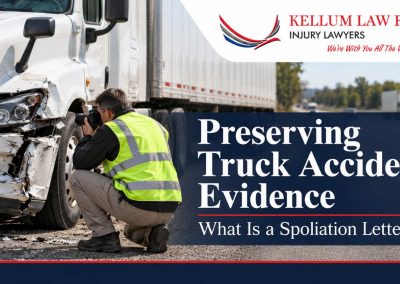
Preserving Evidence After a North Carolina Truck Accident: What Is a Spoliation Letter?

Work-Related Car Accidents in North Carolina | Your Rights

The At-Fault Driver Was Not Ticketed, How Does That Impact My North Carolina Car Accident Injury Claim?
Featured And Recognized


RALEIGH | NEW BERN | WILMINGTON | JACKSONVILLE | MOREHEAD CITY | GREENVILLE | GOLDSBORO | WILLIAMSTON | ROCKY MOUNT | ROANOKE RAPIDS | DURHAM | FAYETTEVILLE | CHARLOTTE
Kellum Law Firm's corporate headquarters is located in New Bern, NC and has offices around North Carolina, including Raleigh, Greenville, Jacksonville, Wilmington, and more. We provide local residents with legal services focusing on personal injury law including automobile accidents, social security disability, workers' compensation, elder abuse, and more.