

Car accidents can happen anywhere, and parking lots are no exception. In fact, parking lots can be particularly prone to accidents due to the mix of pedestrians and vehicles in close proximity.
Accidents in business parking lots, such as those at places like Walmart, can occur for various reasons. To help you stay safe and aware, here is a list of common causes of accidents in business parking lots:
- Distracted Driving: Drivers who are talking or texting on their phones, adjusting the radio, or engaging in other distractions are more likely to cause
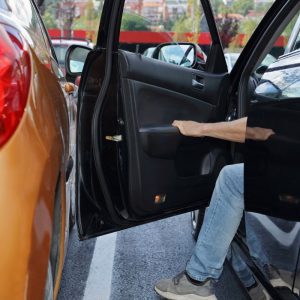 accidents.
 - Speeding: Excessive speed in a parking lot can lead to accidents, especially in crowded areas.
- Failure to Yield: Drivers who fail to yield the right of way, especially at intersections and crosswalks, can cause collisions. It’s common for drivers involved in parking lot accidents to ignore yield and ‘right of way’ signage.
- Backing Accidents: Drivers who back out of parking spaces without properly checking for pedestrians or other vehicles can cause pedestrian accidents particularly and night and in poor visibility.
- Parking Lot Layout: Poorly designed parking lots with confusing layouts, inadequate signage, or limited visibility can contribute to accidents.
- Impaired Driving: Driving under the influence of alcohol or drugs can impair judgment and reaction time, increasing the risk of accidents.
- Weather Conditions: Rain, snow, ice, or fog can make parking lots slippery and reduce visibility, leading to accidents.
- Inadequate Lighting: Poor lighting in a parking lot can make it difficult to see pedestrians, other vehicles, or hazards, increasing the likelihood of accidents.
- Pedestrian Negligence: Pedestrians who fail to use crosswalks, walk in prohibited areas, or engage in distractions like texting while walking can be at risk of accidents.
- Shopping Cart Mishaps: Runaway shopping carts left unattended or not properly secured can damage vehicles and cause accidents.
- Overcrowding: Overcrowded parking lots, especially during busy shopping seasons, can increase the chances of fender-benders and accidents.
- Delivery Vehicles: Delivery trucks and vans maneuvering in parking lots can be involved in accidents due to their size and restricted visibility.
- Inadequate Maintenance: Potholes, uneven pavement, and debris in the parking lot can contribute to accidents.
- Driver Inexperience: Inexperienced or new drivers may struggle with parking lot navigation and control, leading to accidents.
- Inadequate Signage: Missing or unclear signage can confuse drivers and pedestrians, increasing the potential for accidents.
- Failure to Obey Parking Rules: Violations such as parking in fire lanes, handicap spots without a permit, or no-parking zones can lead to accidents or fines.
1. Immediate Steps To Take After a Parking Lot Accident:
After a parking lot car accident in North Carolina, it’s important to take several immediate steps: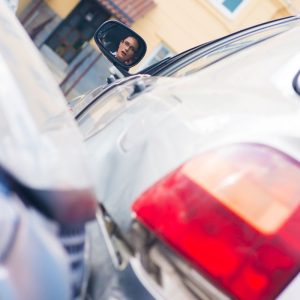
- Check for Injuries: First and foremost, check yourself and others for injuries. If anyone is injured, call 911 for medical assistance.
- Notify Law Enforcement: Report the accident to the local police or law enforcement agency. An official police report can be valuable for insurance claims and legal proceedings.
- Gather Information: Exchange contact and insurance information with the other driver(s) involved in the accident. Be sure to collect names, phone numbers, license plate numbers, and insurance details.
- Document the Scene: Take photographs of the accident scene, including vehicle damage, skid marks, and any relevant road signs or markings. This visual evidence can be crucial later.
- Witness Information: If there are witnesses to the accident, obtain their contact information. Witness statements can help corroborate your version of events.
It’s also generally a good idea to notify the business owner or property manager after an accident in their parking lot, especially if the accident resulted in property damage or injuries. Here are some reasons why it’s important to do so:
- Safety: Informing the property owner can help ensure that any hazardous conditions in the parking lot, such as spilled fluids or damaged infrastructure, are promptly addressed to prevent further accidents.
- Documentation: The business owner may want to document the incident for their records, which can be useful for liability and insurance purposes.
- Insurance: If the accident caused damage to your vehicle or injuries to anyone involved, the business owner’s insurance policy may be relevant, especially if the accident was due to a hazardous condition on their property. Reporting the incident to the property owner can facilitate the insurance claims process.
- Security Footage: Many businesses have security cameras in their parking lots. Promptly notifying the property owner allows them to preserve any security footage that might have captured the accident, which can be valuable evidence if you need to file an insurance claim or take legal action.
- Legal Considerations: In some cases, the business owner might have a legal duty to take certain actions after an accident on their property, such as providing assistance to injured parties or reporting the incident to local authorities.
When notifying the business owner or property manager:
- Be polite and cooperative.
- Provide accurate information about the accident, including the date, time, location, and a brief description of what happened.
- Request contact information from the property owner or manager so you can follow up if necessary.
2. Determining Liability:
Liability in a parking lot car accident is determined based on the principles of negligence. To establish liability, you must show that the other driver was 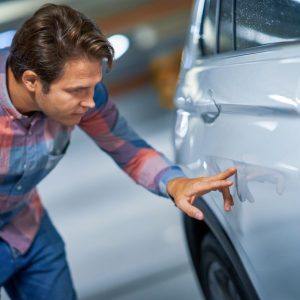 negligent and that their negligence caused the accident. Common forms of negligence in parking lot accidents include:
- Speeding: Drivers who fail to obey posted speed limits in parking lots can be found negligent.
- Distracted Driving: Using a cell phone, adjusting the radio, or engaging in other distractions while driving can lead to accidents and liability.
- Failure to Yield: Accidents often occur when one driver fails to yield the right of way, such as at intersections or when backing out of parking spaces.
3. Insurance Claims:
Parking lot accidents are typically handled through the insurance system. Each driver involved in the accident will file a claim with their own insurance company, which will then investigate the accident and negotiate with the other driver’s insurance company to determine liability and settle the claim.
If a fair settlement cannot be reached through insurance claims, you may consider taking legal action. An experienced car accident attorney can help you file a lawsuit to seek compensation for medical expenses, property damage, lost wages, pain and suffering, and other damages related to the accident.

FAQs: Legal Rights After a Car Accident in North Carolina
What are my rights if a car defect caused the accident?
If your accident was caused by a manufacturing defect, such as faulty brakes or steering failure, you may have a product liability case. Learn more about your legal options in our article on Dangerous Car Defects and Owner’s Rights.
Who is responsible if I was hit by a company vehicle?
When a business vehicle is involved in an accident, both the driver and the employer may be liable. Our guide on Car Accidents Involving Company Vehicles explains how commercial insurance and employer negligence factor into your claim.
How do I prove the other driver was distracted by texting?
Proving distraction, like texting while driving, may require phone records, eyewitnesses, or crash reconstruction. See our article on Injuries Caused by Distracted Drivers to understand the evidence that can strengthen your case.
What if my car was part of a recall — do I still have a case?
Yes, but your case may depend on whether you received recall notice and took action. Read about your responsibilities and options in our guide to Navigating Defective Vehicle Recalls.
Can I file a claim as a passenger injured in an accident?
Absolutely. Passengers often have strong claims against one or both drivers. Our article on Passenger Rights After an NC Car Crash breaks down how liability works and what you can expect.
What happens if I was uninsured during an accident involving someone else?
If you were uninsured but not at fault, you may still be able to recover compensation. See your options in this article: Uninsured at the Time of an Accident.

