
How Non-Economic Damages Are Proven in Court
When someone is injured in an accident, the physical wounds are only part of the story. Many victims suffer lasting emotional trauma, including fear, anxiety, depression, or post-traumatic stress. These are real medical conditions that can affect every part of their lives. Losses relating to these types of conditions are called
In North Carolina, pain and suffering, mental anguish, and emotional distress are recognized as compensable injuries. However, because there’s no simple calculator for emotional harm, evidence and storytelling become crucial.
In this article, our personal injury attorney helps you to understanding how the process works and how you can maximize your claim by accounting for non-economic damages.

Understanding Non-Economic Damages
Non-economic damages refer to the
- Pain and physical discomfort
- Emotional distress, anxiety, or depression
- Loss of enjoyment of life
- Fear of driving or returning to certain activities
- Sleep disorders or PTSD symptoms
- Strain on family relationships
These impacts often persist long after physical injuries heal, which is why judges and juries consider them carefully when awarding compensation.
Watch Our Short Video on PTSD Claims
How Emotional Distress Is Proven After an Accident
Because pain and suffering aren’t easily measured, attorneys must
Medical and therapy records: Notes from psychiatrists, counselors, and physicians showing consistent symptoms.Prescription history: Use of antidepressants, sleep aids, or anxiety medication can corroborate distress.Family and coworker statements: Observations from people close to the victim reveal daily struggles unseen in paperwork.Journals or diaries: Contemporaneous notes describing pain, fear, or trauma are persuasive.Expert witnesses: Psychologists and medical experts explain the link between trauma and emotional dysfunction.
Together, these materials paint a full picture of how an injury reshapes a person’s life, something a “pain and suffering calculator” cannot accurately measure.
How North Carolina Courts Value Pain and Suffering
There is
- Severity and duration of physical injuries
- Length and invasiveness of treatment
- Medical documentation of emotional symptoms
- Credibility of witnesses
- Impact on work, hobbies, and family life
A skilled attorney translates these human experiences into compelling evidence that resonates with jurors and insurers alike.
Case Study: Proving PTSD and Anxiety After a Serious Crash
The Challenge
- The insurance adjuster argued her emotional distress was “temporary.”
- There were no large medical bills tied directly to mental health care.
- The insurer offered only a modest settlement for “pain and inconvenience.”
Our Approach
Therapist documentation confirming a PTSD diagnosis.Coworker statements describing visible panic and missed workdays.Journal entry timeline showing her emotional decline and gradual recovery.Psychologist testimony linking the crash to recurring anxiety and avoidance behaviors.

How Attorneys Strengthen Non-Economic Damage Claims
A strong legal strategy weaves together objective facts and human emotion. At
- Coordinating expert testimony from mental health professionals
- Guiding clients to document day-to-day emotional effects
- Using photos, journals, and witness statements to humanize the case
- Preparing clients to testify clearly about changes in mood, sleep, and personality
These steps allow jurors and adjusters to connect the dots between the trauma and the life it disrupted.

Frequently Asked Questions
Is there a pain and suffering calculator in North Carolina?
No. While online “pain and suffering calculators” can give rough estimates, North Carolina law does not use a formula. Each case depends on medical evidence, emotional impact, and how well those effects are documented.
What counts as emotional distress after an accident?
Emotional distress can include fear, depression, anxiety, insomnia, loss of appetite, or PTSD symptoms following a traumatic event. Documenting these experiences through therapy notes or journal entries strengthens your claim.
Can I be compensated for anxiety even if I didn’t break any bones?
Yes. North Carolina law recognizes that emotional injuries can exist without severe physical trauma. A documented pattern of anxiety, panic attacks, or stress linked to the incident can justify compensation.
Do juries take mental health evidence seriously?
When properly presented, yes. Judges and juries are increasingly receptive to psychological evidence, especially when supported by professional evaluation and consistent treatment records.
Talk to a North Carolina Personal Injury Attorney
If you’re struggling with emotional distress after an accident, you don’t have to prove it alone.
Request a Free Case Review to discuss your rights and how emotional suffering factors into your claim.
This article is for general information and should not be taken as legal advice. Individual results depend on case facts and applicable law.

Receive A Free Case Evaluation – No Obligation
Personal Injury Law Guide
If you're exploring your legal options after a personal injury, the following links offer helpful next steps—from local office pages to our detailed personal injury guide.
Personal Injury Locations
Personal Injury Guide
These resources are provided as general information and are not a replacement for professional legal advice. If you need help with a claim, please contact Kellum Law Firm for assistance.
Auto Accident Law Guide
After a car accident, having easy access to the right legal resources can make all the difference. The links below focus on local car accident help and detailed guides to navigating claims.
▶ Car Accident Locations
General Guides and Resources
Bookmark this page or check back often as we expand our car accident resources across North Carolina.


More Personal Injury Resources From Kellum Law Firm

Dog Bite Lawsuits in North Carolina: Owner Liability & Victims’ Rights
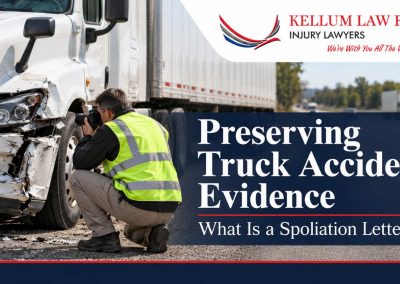
Preserving Evidence After a North Carolina Truck Accident: What Is a Spoliation Letter?

Work-Related Car Accidents in North Carolina | Your Rights

The At-Fault Driver Was Not Ticketed, How Does That Impact My North Carolina Car Accident Injury Claim?
Featured And Recognized


RALEIGH | NEW BERN | WILMINGTON | JACKSONVILLE | MOREHEAD CITY | GREENVILLE | GOLDSBORO | WILLIAMSTON | ROCKY MOUNT | ROANOKE RAPIDS | DURHAM | FAYETTEVILLE | CHARLOTTE
Kellum Law Firm's corporate headquarters is located in New Bern, NC and has offices around North Carolina, including Raleigh, Greenville, Jacksonville, Wilmington, and more. We provide local residents with legal services focusing on personal injury law including automobile accidents, social security disability, workers' compensation, elder abuse, and more.