
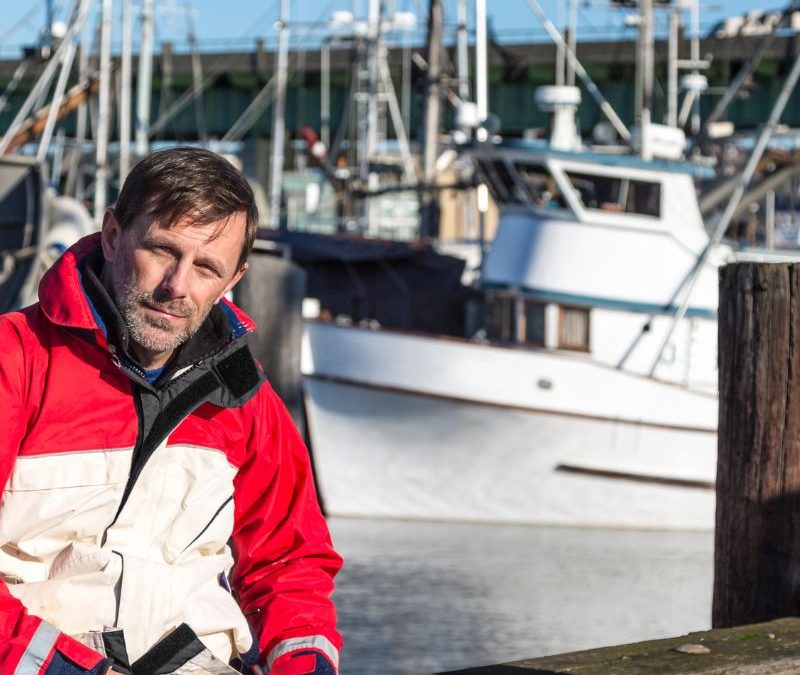
Injured on a fishing charter off the North Carolina coast? Many people assume these cases work like ordinary personal injury claims, but once an accident happens on navigable waters, your rights are usually governed by maritime and admiralty law rather than typical state negligence rules. That change matters. It affects who can be held liable, what evidence wins cases, how quickly you must act, and the categories of compensation you can pursue. This article explains how maritime law applies to charter boat injuries, how claims differ from land-based cases, and how our Maritime Attorneys NC team at Kellum Law can help. We also have a more comprehensive Legal Guide on Maritime Law, which you will find further down this page.
When a Fishing Charter Accident Becomes a Maritime Case
Maritime law generally applies when an injury occurs on navigable waters—waters used (or capable of being used) for interstate or international commerce. That includes most offshore areas and many inlets and sounds along the North Carolina coast. If your incident occurred offshore near Wilmington, in the Bogue or Core Sound near Morehead City, or on a charter that departed from New Bern and entered navigable waters, your claim likely triggers federal maritime jurisdiction and specialized legal rules.
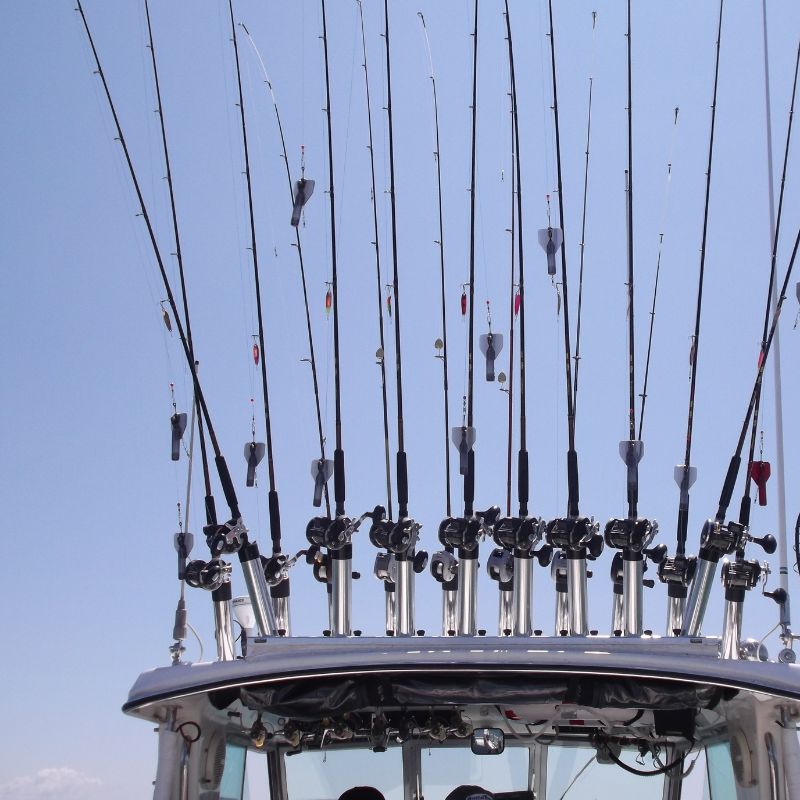
Why Maritime Rules Change the Strategy
Maritime law introduces unique standards of care and liability, including duties owed by a vessel owner and captain to passengers. The operator must exercise reasonable care under the circumstances and maintain a seaworthy vessel. In practice, that can mean stronger avenues for proving fault in situations involving equipment failure, negligent navigation, inadequate safety briefings, or improper lookout. It also means strategy shifts: venue selection, choice of law, and deadlines may differ from a standard state-court injury case.
Common Fishing Charter Injury Scenarios We See
Charter-related injuries can stem from many causes, and the maritime lens helps identify where liability sits:
- Slips, trips, and falls on wet, oily, or cluttered decks
- Improper handling of gaffs, hooks, knives, and heavy tackle
- Wake impacts and hard landings from excessive speed or poor seamanship
- Lack of life jackets, safety briefings, or man-overboard procedures
- Mechanical failures (steering, engine, bilge pumps) tied to poor maintenance
- Weather-related incidents where route, timing, or judgment were unreasonable
Who Can Be Liable After a Charter Accident?
Depending on the facts, liability may involve several parties:
- Captain / Operator for negligent navigation, lookout, or safety practices
- Vessel Owner for unseaworthiness or maintenance failures
- Charter Company for hiring, training, policies, and equipment upkeep
- Manufacturers if defective gear or parts contributed to the incident
Maritime law lets us evaluate each link in the chain—policies, logs, maintenance records, AIS/GPS tracks, crew training, and more—to build a strong liability case.

Evidence That Moves the Needle in Maritime Claims
Evidence collection starts immediately. Helpful items include:
- Photos/video of the deck, safety gear, sea state, and any defects
- Passenger and crew statements, names, and contact info
- Trip details: departure/return times, route, and weather conditions
- Medical records tying symptoms to the incident (e.g., lacerations, concussions, shoulder/back injuries)
- Preservation letters to secure logs, maintenance files, and electronics data
Because operators move vessels and clean decks quickly, timely legal steps are critical to preserve proof.
Compensation: How Offshore Claims Can Differ from Land-Based Cases
While every matter is unique, a maritime passenger injury claim can pursue compensation for medical care, lost wages, diminished earning capacity, pain and suffering, loss of enjoyment of life, and more. Where the claim is filed, which policy applies (P&I, general liability, umbrella), and whether contractual limitations exist (e.g., ticket terms) all affect case value and procedure. An experienced maritime team will analyze jurisdiction, forum, and insurance layers to maximize recovery.
Deadlines and Ticket Terms: Don’t Overlook the Fine Print
Passenger tickets sometimes include shortened limitation periods, notice requirements, or forum selection clauses. Miss a notice window and you may jeopardize the claim. Maritime statutes of limitation can also differ from state timelines. The safest move is to consult counsel promptly so we can review your ticket and preserve your rights before any contractual or statutory deadline expires.
Local Knowledge, Federal Rules: How We Help Along the NC Coast
We serve clients statewide and beyond, with a strong presence along the North Carolina coast. If your charter departed near Wilmington, Morehead City, or New Bern, we know the waterways, typical routes, and local charter operations—and we pair that regional knowledge with the federal rules that govern your case.
Explore our in-depth Maritime Legal Guide Series for coastal communities:
- Offshore Injuries Near Wilmington – Maritime Guide
- Jones Act Claims – Morehead City
- Maritime vs. Personal Injury – New Bern
- Recreational Boating Accidents – Jacksonville
For an overview of our services, visit our Maritime Injury Lawyer practice page.
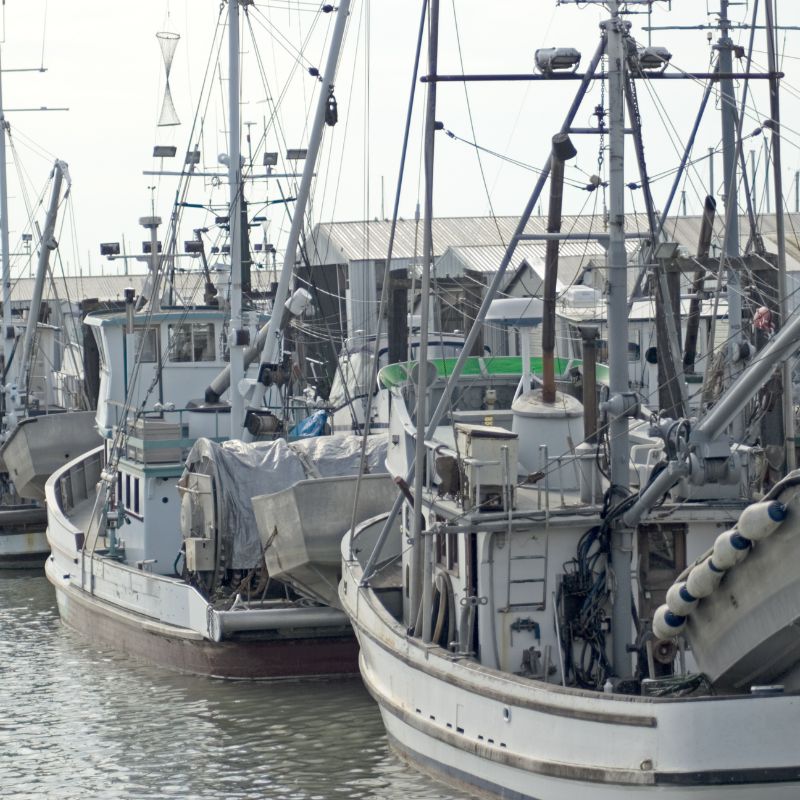
What to Do After a Fishing Charter Injury
Prioritize safety, then protect your claim:
- Seek medical care and follow all treatment recommendations.
- Report the incident to the captain and obtain a copy of any report.
- Document the scene and injuries; collect witness info.
- Do not sign liability waivers or settlements without counsel.
- Consult an attorney experienced in maritime law as soon as possible.
Serving Coastal NC—and Clients Nationwide
We regularly assist charter passengers and families after offshore injuries arising from trips along the Crystal Coast and Cape Fear region. While we emphasize North Carolina ports like Jacksonville, New Bern, and Morehead City, our team handles maritime claims nationwide when the facts and jurisdiction warrant it.
FAQ: Fishing Charter Injuries & Maritime Law
1) Does maritime law really apply to a recreational fishing trip?
Usually yes, if the injury occurred on navigable waters. Maritime rules govern many passenger injury claims even when the trip was purely recreational.
2) What if I signed a waiver before boarding?
Waivers are not always enforceable, especially if negligence or unseaworthiness is involved. We evaluate the waiver’s language, scope, and applicable maritime standards.
3) How fast do I need to act after an offshore injury?
Quickly. Ticket terms may include shortened notice or suit deadlines, and evidence on a vessel can disappear fast. Contact counsel as soon as practical.
4) Can I bring a claim if rough seas caused my fall?
Possibly. We examine whether the captain’s route, speed, or decisions were reasonable given the forecast and conditions, and whether warnings and gear were adequate.
5) Who pays my medical bills after a charter accident?
Potential sources include the charter company’s liability or P&I coverage, third-party insurers, and your own health insurance pending recovery from the at-fault party.
6) What compensation is available under maritime law?
Medical costs, lost wages, loss of earning capacity, pain and suffering, and more—subject to facts, venue, and applicable policy limits.
7) Do I need a local attorney if I was visiting from out of state?
Local knowledge helps with ports, operators, and venues. Our team handles NC coastal claims and coordinates multi-jurisdiction matters when needed.
8) How do you prove a vessel was unseaworthy?
Through maintenance records, inspection history, crew training, equipment condition, and expert analysis of how defects contributed to the incident.
9) What if a defective rod holder, reel, or ladder caused my injury?
We may pursue product liability against manufacturers and suppliers alongside claims against the charter operator or owner.
10) Can I still recover if I was partly at fault?
Maritime comparative fault may apply, potentially reducing—but not eliminating—recovery depending on your share of responsibility and the forum.
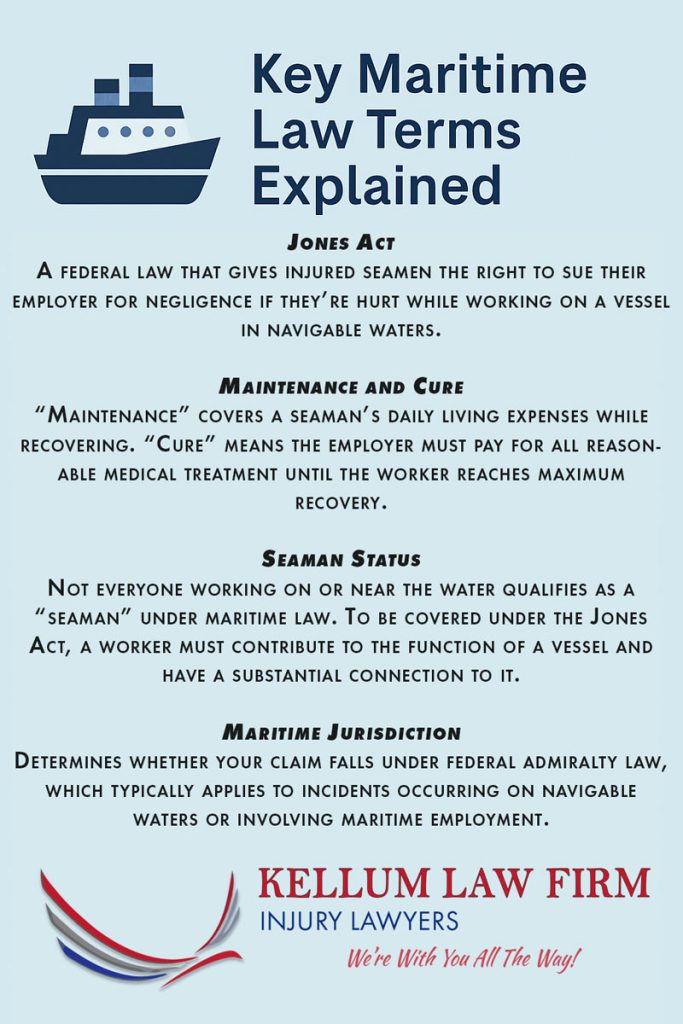
Contact Our Maritime Attorneys –
If you were hurt on a North Carolina fishing charter—or any offshore vessel—get answers tailored to your situation. Our maritime team can evaluate jurisdiction, secure critical evidence, and pursue the best path to recovery. Start with our Maritime Injury Lawyer page, then explore the coastal guides for Wilmington, Morehead City, and New Bern. When you’re ready, contact us for a free consultation.

Disclaimer: This article is for informational purposes only and does not constitute legal advice. Every maritime injury case is fact-specific. For guidance about your situation, consult an attorney.

