
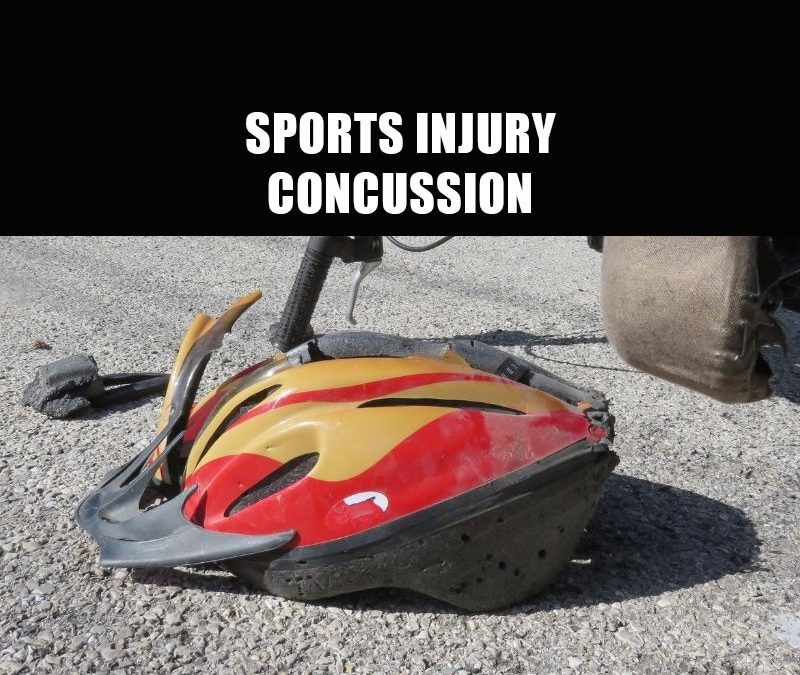
The issue of concussions in sports has gained increasing attention over the past decade as the long-term effects of head injuries have become better understood. From youth leagues to professional sports, the risks associated with concussions have prompted changes in how athletes, coaches, and organizations approach safety. Concussions can have serious, long-lasting impacts on an athlete’s health, making it essential for all involved parties to understand their legal rights and responsibilities. In this article our sports injury attorney takes a look at some of these issues, including the growing awareness of sports-related concussions, the legal responsibilities of coaches and organizations, and the ways in which personal injury law can provide recourse for athletes who suffer serious injuries. Let’s start out with an overview of a recent case that just about everyone who follows sports is aware of:
The NFL Concussion Settlement Case
One of the most high-profile cases involving sports-related concussions is the National Football League (NFL) Concussion Settlement, which has had a significant impact on the awareness and legal landscape surrounding head injuries in sports. The case arose from a class-action lawsuit filed by thousands of former NFL players who claimed that the league had downplayed the dangers of concussions and failed to protect players from long-term brain injuries.
The lawsuit alleged that the NFL had knowledge of the risks associated with repeated head trauma and concussions but did not take adequate steps to warn players of the risks involved, nor implement effective safety measures. Many of the former players involved in the lawsuit were diagnosed with chronic traumatic encephalopathy (Read an article on the Mayo Clinic website on CTE), a degenerative brain disease linked to repeated head injuries.
The symptoms of CTE can include memory loss, depression, aggression, and cognitive decline, often leading to severe disability or death.
In 2013, the NFL agreed to a settlement of approximately $765 million to compensate former players who suffered from concussion-related brain injuries. The settlement covers a wide range of benefits, including compensation for diagnosed neurological conditions, medical examinations, and funding for research into brain injuries. The settlement was later uncapped, allowing players to receive compensation as needed, depending on the severity of their conditions.
This case highlights the legal responsibilities of sports organizations to protect their athletes from harm and the potential consequences of failing to do so. The NFL Concussion Settlement has also set a precedent for other sports leagues and organizations to take head injuries seriously and implement more stringent safety protocols.

Understanding Sports-Related Concussions
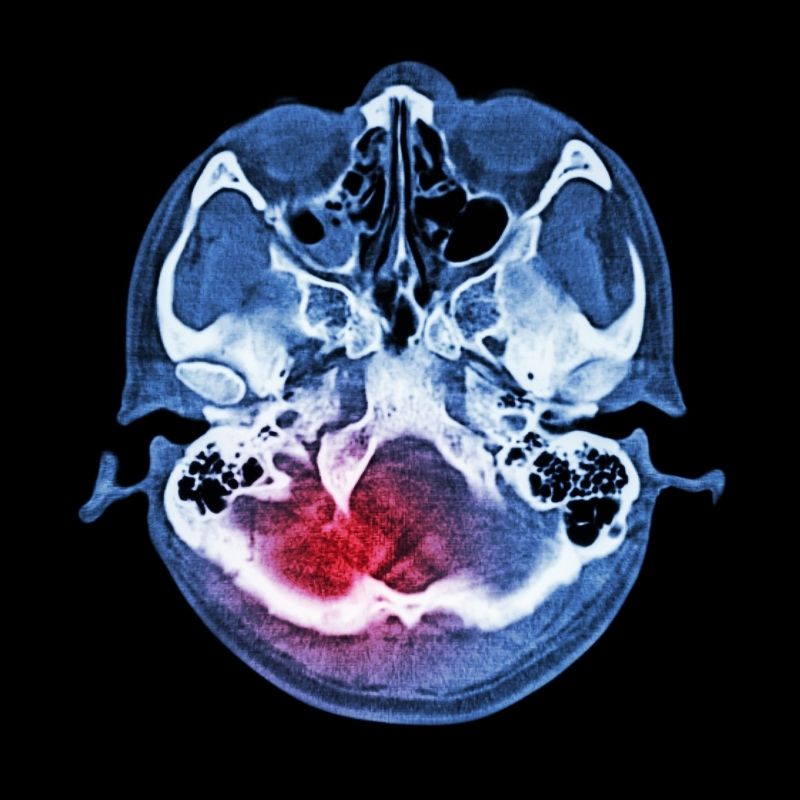
A concussion is a type of traumatic brain injury (TBI) that occurs when a blow to the head or body causes the brain to move rapidly within the skull. This movement can result in chemical changes in the brain and damage to brain cells, leading to a range of symptoms such as headaches, dizziness, confusion, memory loss, and difficulty concentrating. In some cases, concussions can lead to long-term cognitive and emotional impairments, particularly if the injury is not properly managed.
According to the Centers for Disease Control and Prevention (CDC), sports-related concussions account for an estimated 1.6 million to 3.8 million injuries annually in the United States. This statistic underscores the prevalence of concussions in sports and highlights the need for effective prevention and management strategies.
Reference: CDC, “Traumatic Brain Injury & Concussion: Sports-Related Concussions”
https://www.cdc.gov/traumatic-brain-injury/?CDC_AAref_Val=https://www.cdc.gov/traumaticbraininjury/sports.html

The Growing Awareness of Concussions in Sports
As mentioned above, due in large part to the NFL case, there has been a growing awareness of the risks associated with concussions, particularly in contact sports such as football, hockey, and soccer. In response to this growing awareness, sports organizations at all levels have implemented new policies and guidelines aimed at reducing the risk of concussions and ensuring that injured athletes receive appropriate care.
Similarly, many youth sports leagues have adopted “return-to-play” guidelines, which require athletes who have sustained a concussion to be cleared by a healthcare professional before returning to practice or competition. These guidelines are designed to prevent “second-impact syndrome,” a potentially fatal condition that can occur if an athlete suffers a second concussion before the first one has fully healed.
Legal Responsibilities of Coaches and Organizations
Coaches, athletic trainers, and sports organizations have a legal responsibility to protect the safety and well-being of their athletes. This duty of care includes taking reasonable steps to prevent injuries, ensuring that injured athletes receive appropriate medical care, and following established protocols for managing concussions.
1. Duty to Educate and Inform
One of the key legal responsibilities of coaches and organizations is to educate athletes, parents, and staff about the risks of concussions and the importance of proper management. This includes providing information on the signs and symptoms of concussions, the potential long-term effects, and the importance of reporting injuries. In many states, laws have been enacted that require schools and sports leagues to provide concussion education to athletes and parents before the start of each season.
Example: In North Carolina, the Gfeller-Waller Concussion Awareness Act requires that all student-athletes, coaches, and parents receive concussion education, and that athletes who exhibit signs of a concussion be removed from play and not return until cleared by a medical professional.
2. Duty to Monitor and Respond
Coaches and athletic trainers are also responsible for monitoring athletes during practices and games and responding appropriately if an injury occurs. This includes removing athletes from play if they exhibit signs of a concussion and ensuring they receive a proper medical evaluation. Failure to do so can result in liability if the athlete suffers further harm as a result of continued participation.
3. Duty to Follow Protocols
Sports organizations are required to establish and enforce protocols for managing concussions, including “return-to-play” guidelines. These protocols are designed to protect athletes from returning to play too soon and risking further injury. Coaches and trainers who fail to follow these protocols may be held legally responsible if an athlete suffers additional harm as a result.
Example: In professional sports, teams are required to follow strict concussion protocols, including mandatory evaluations and clearance by an independent neurologist before an athlete can return to play. Failure to follow these protocols can result in penalties for the team and legal action by the injured athlete.
Legal Recourse for Athletes
Athletes who suffer concussions due to the negligence of coaches, trainers, or sports organizations may have legal recourse through personal injury law. If it can be proven that the responsible parties failed to meet their duty of care, the injured athlete may be entitled to compensation for their injuries. A good personal injury lawyer with experience in handling sports injury cases is recommended for dealing with these types of cases as they can be complex and involve various parties.
1. Negligence Claims
To succeed in a negligence claim, the injured athlete must prove that the coach, trainer, or organization breached their duty of care and that this breach directly caused the athlete’s injury. For example, if a coach allowed an athlete to continue playing despite exhibiting clear signs of a concussion, and the athlete subsequently suffered a more severe injury, the coach could be held liable for negligence.
2. Product Liability Claims
In some cases, concussions may be caused or worsened by defective sports equipment, such as helmets that fail to provide adequate protection. In these situations, the athlete may have a product liability claim against the manufacturer, distributor, or retailer of the defective equipment.
Example: Several lawsuits have been filed against helmet manufacturers by former professional football players who allege that defective helmets contributed to their long-term brain injuries.
3. Workers’ Compensation for Professional Athletes
Professional athletes who suffer concussions while playing for a team may be entitled to workers’ compensation benefits. These benefits can cover medical expenses, lost wages, and other costs associated with the injury. However, workers’ compensation claims for professional athletes can be complex, particularly when the injury results in long-term or permanent disability.
Reference: National Council on Compensation Insurance (NCCI), “Workers’ Compensation for Professional Athletes”
https://www.ncci.com/Articles/Pages/II_WorkersCompProfessionalAthletes.aspx
4. Wrongful Death Claims
In the most tragic cases, concussions and head injuries can lead to death, either directly or as a result of complications such as second-impact syndrome. If an athlete dies as a result of a sports-related concussion, the athlete’s family may have the right to file a wrongful death lawsuit against the responsible parties.
Steps Athletes Can Take to Protect Their Rights
Athletes who suffer a concussion or other head injury should take the following steps to protect their legal rights:
- Seek Immediate Medical Attention: Athletes should seek medical evaluation and treatment as soon as possible after a head injury. Documenting the injury and receiving appropriate care is critical for both health and legal reasons.
- Report the Injury: Athletes should immediately report any suspected concussion to their coach or trainer. Failure to report an injury can complicate future legal claims.
- Document Everything: Athletes and their families should keep detailed records of the injury, including medical reports, communications with coaches and trainers, and any symptoms or complications that arise after the injury.
- Consult an Attorney: If an athlete believes their injury was caused by negligence, they should consult with a personal injury attorney experienced in sports-related injuries. An attorney can help assess the situation and determine the best course of action.
Concussions are a serious and growing concern in the world of sports, and the legal landscape surrounding these injuries is evolving. Coaches, athletic trainers, and sports organizations have a legal responsibility to protect the safety of their athletes and to follow established protocols for managing concussions.
Athletes who suffer concussions due to negligence may have legal recourse through personal injury claims, product liability claims, or workers’ compensation.
At Kellum Law Firm, we understand the complexities of sports-related concussion cases and are dedicated to helping injured athletes and their families seek the justice and compensation they deserve.
If you or a loved one has suffered a concussion or other serious injury in a sports-related incident, contact us today to discuss your legal options. Contact a sports accident attorney here, or call us 24/7 at 1-800-ACCIDENT

