Storm Property and Personal Injury Claim Denials: What You Need to Know
When a hurricane, tropical storm, or flash flood hits North Carolina, the damage can be devastating. But for many homeowners and accident victims, the real frustration begins long after the storm has passed – when their insurance claim is delayed, underpaid, or denied altogether.
Insurance companies often cite exclusions, policy gaps, or technicalities to avoid full payment. In this article, our Property Damage Attorney explains how storm-related denials happen, what rights you have, and how to challenge bad faith insurance practices to recover the compensation you deserve.

Why Storm-Related Claims Are Often Denied
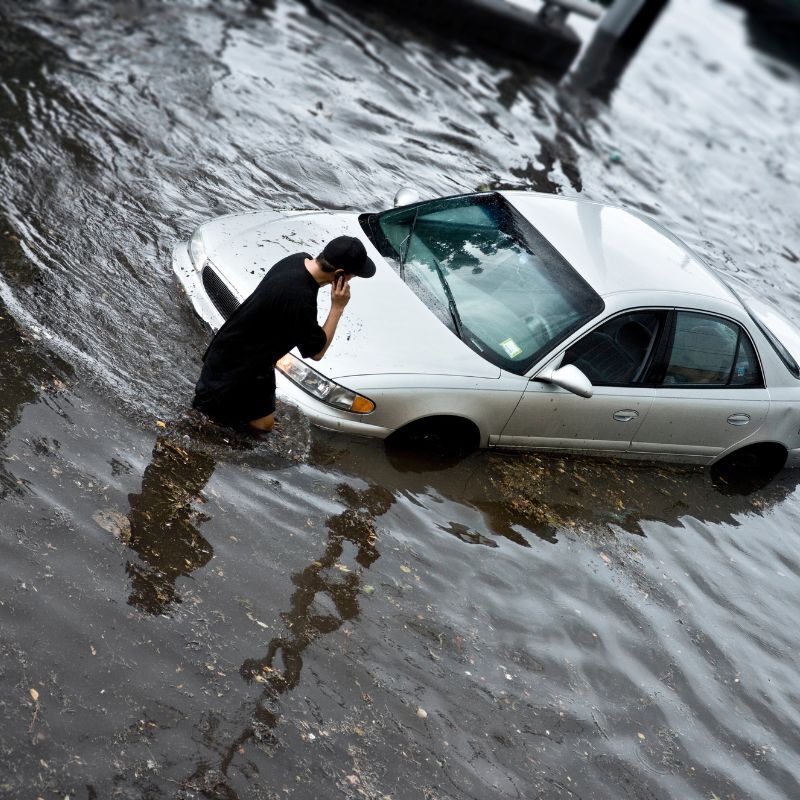
Storm and flood claims are among the most commonly disputed insurance cases in North Carolina. Insurers know these losses are costly and often use complex policy language to reduce payouts.
Common reasons for claim denial include:
- Excluded perils: Many homeowners policies exclude “flood” or “surface water” damage, even when caused by heavy rain or a hurricane.
- Dual-cause disputes: Damage may be attributed to both wind and flood — insurers often label it as the excluded portion to minimize liability.
- Late reporting: Even a short delay in filing can be used as a reason to deny coverage.
- Pre-existing damage: Insurers may argue that wear and tear, not the storm, caused the loss.
- Documentation issues: Missing receipts, incomplete forms, or lack of before-and-after photos can give insurers an excuse to withhold payment.

Bad Faith Insurance Handling After Disasters
North Carolina law requires insurers to act in good faith when handling claims. Unfortunately, after large-scale weather events, many carriers engage in tactics that violate those duties, often prioritizing cost control over fairness.
Common examples of bad faith practices include:
- Unreasonable delays in inspections or responses.
- Offering settlements far below documented repair costs.
- Failing to provide clear explanations for partial payments or denials.
- Misrepresenting policy terms to discourage further pursuit.
- Ignoring independent engineering reports or estimates provided by the homeowner.
If you believe your claim has been mishandled, consult an experienced property claims or personal injury attorney before signing any release or accepting a low settlement.

What to Do If Your Claim Is Denied
- Request a written explanation: Insurers must cite the exact policy language supporting the denial.
- Review your policy carefully: Pay attention to definitions, exclusions, and endorsements that may extend coverage.
- Collect evidence: Photos, inspection reports, and repair estimates are critical when challenging a denial.
- Get an independent assessment: A licensed contractor or adjuster can often identify overlooked damage.
- Seek legal help: If you suspect bad faith, a personal injury or property damage attorney can help you file an appeal or initiate litigation.
Related Articles and Resources
Frequently Asked Questions
Q – Can an insurance company deny my claim just because the damage involved flooding?
Yes, if flood damage is excluded in your policy and you don’t have separate flood insurance, your insurer can deny that portion of your claim. Always check if your property is covered under a National Flood Insurance Program (NFIP) policy or private flood policy.
Q – What if my insurer says the damage was from “wear and tear,” not the storm?
This is a common tactic. Get an independent inspection and compare expert findings to your policy’s definitions. You may be able to prove that the damage was sudden and accidental — not gradual deterioration.
Q – How do I prove bad faith by my insurance company?
Keep records of every call, email, and letter. Track missed deadlines, ignored correspondence, and unexplained delays. If the insurer’s conduct seems designed to frustrate or underpay your claim, legal action may be warranted.
Q – Is there a deadline to challenge a denied claim in North Carolina?
Yes. Most policies contain contractual deadlines for filing appeals or lawsuits. In general, you should act within three years of the loss date, but consult an attorney as soon as possible to preserve your rights.
Q – Can a lawyer really help with a denied storm or flood claim?
Absolutely. A skilled attorney can identify policy loopholes, gather expert evidence, negotiate on your behalf, and pursue compensation if your insurer acted in bad faith. The legal team at Kellum Law Firm has over 50 years of experience handling complex insurance disputes and storm-related injury claims across North Carolina.
Get Help After a Denied Storm Claim
If your property or personal injury claim was denied or underpaid after a storm, don’t face the insurance company alone. Contact our New Bern office or any of our locations across North Carolina for a free consultation. We’ll review your policy, investigate the denial, and help you fight for the compensation you’re owed.
Standing Up for North Carolina’s Coastal Storm Victims
For more than five decades, Kellum Law Firm has been a voice for homeowners, workers, and families across Eastern North Carolina who’ve faced the aftermath of hurricanes, flooding, and storm-related losses. When insurance companies delay, deny, or underpay claims, our attorneys step in to hold them accountable — helping clients rebuild their lives and recover fair compensation for property damage, medical costs, and financial hardship.
Our New Bern office serves as the heart of our coastal operations, with a team that also supports nearby communities through our regional offices:
- Morehead City – assisting homeowners and boat owners whose properties were damaged in hurricanes, tropical storms, or flood surges.
- Wilmington – helping residents and business owners navigate denied storm claims, flood exclusions, and bad faith insurance practices.
- Jacksonville – representing local families and service members dealing with property loss, auto accidents, and storm-related injury claims.
Across every office, our goal remains the same — to protect storm victims from being overlooked or underpaid by their insurers. After 50 years of fighting for North Carolina residents, we know how coastal adjusters and carriers operate, and we use that insight to challenge unfair denials and secure the full value our clients deserve. Whether your claim was rejected, delayed, or undervalued, Kellum Law Firm is ready to stand with you and demand the fair recovery you’re entitled to under the law.
More Resources in Our Flood Damage Series
If your home or property was damaged in a storm, knowing how to file, and protect, your flood damage claim can make all the difference. Learn how insurance companies evaluate losses and how to strengthen your case for a fair payout.

Legal Resources for North Carolina Families
We’re building a collection of legal guides tailored for North Carolina residents. These resources are designed to help you better understand your rights, take informed action, and know what to expect when working with our legal team.
Maritime/Offshore Law Guide
If you’re looking for legal guidance after a maritime or offshore injury, these links offer quick access to our locations and in-depth articles focused on North Carolina maritime law.▶ Maritime Law Locations
General Guides and Resources
We’re continuing to expand this guide to help injured maritime workers and boating accident victims understand their rights.Auto Accident Law Guide
After a car accident, having easy access to the right legal resources can make all the difference. The links below focus on local car accident help and detailed guides to navigating claims.
▶ Car Accident Locations
General Guides and Resources
Bookmark this page or check back often as we expand our car accident resources across North Carolina.
Personal Injury Law Guide
If you're exploring your legal options after a personal injury, the following links offer helpful next steps—from local office pages to our detailed personal injury guide.
Personal Injury Locations
Personal Injury Guide
These resources are provided as general information and are not a replacement for professional legal advice. If you need help with a claim, please contact Kellum Law Firm for assistance.
Elder Abuse Law Guide
If you're concerned about nursing home neglect, financial exploitation, or elder abuse in North Carolina, these resources from our New Bern-based legal guide can help you take informed action.▶ Elder Abuse Legal Guide
Explore More Legal Guides
Our team is committed to protecting vulnerable seniors across North Carolina. If you suspect abuse or neglect, reach out today for guidance and legal support.Workers' Comp Law Guide
If you're researching workers’ compensation law in North Carolina, the following pages offer in-depth legal guidance and location-specific resources to help you move forward after a workplace injury.▶ Workers' Comp Legal Guide
General Legal Guides
We’re always adding new legal resources to support injury victims throughout North Carolina. Bookmark this section or check back for updates.We’ll be adding more guides in the coming weeks. Be sure to bookmark this page and check back for updates.
Tip: To bookmark this page, press Ctrl + D (Windows) or Cmd + D (Mac).
Featured And Recognized